
Biopharma Labs Can’t Afford Downtime: Why Lab Ops and Facilities Are the New Strategic Advantage
Lab operations and facility management have always mattered in biopharma R&D. What’s changed is the level of accountability. In 2026, many organizations are navigating workforce reshuffling, shifting therapeutic priorities, and stronger pressure to operate efficiently, especially across West Coast hubs. In that environment, Lab Ops and Facilities leaders protect productivity, compliance continuity, and day-to-day momentum for research teams.
This is the reality the 3rd Annual Lab Ops & Facility Management for Biopharma West Summit is designed to address. Learn practical strategies and hear from expert teams on how they’re integrating AI and automation, optimizing asset management strategies and evolving the lab ops role amongst workforce fluctuations to sustain efficiency and pipeline continuity. The focus is practical and grounded in how lab leaders are adapting operations right now.
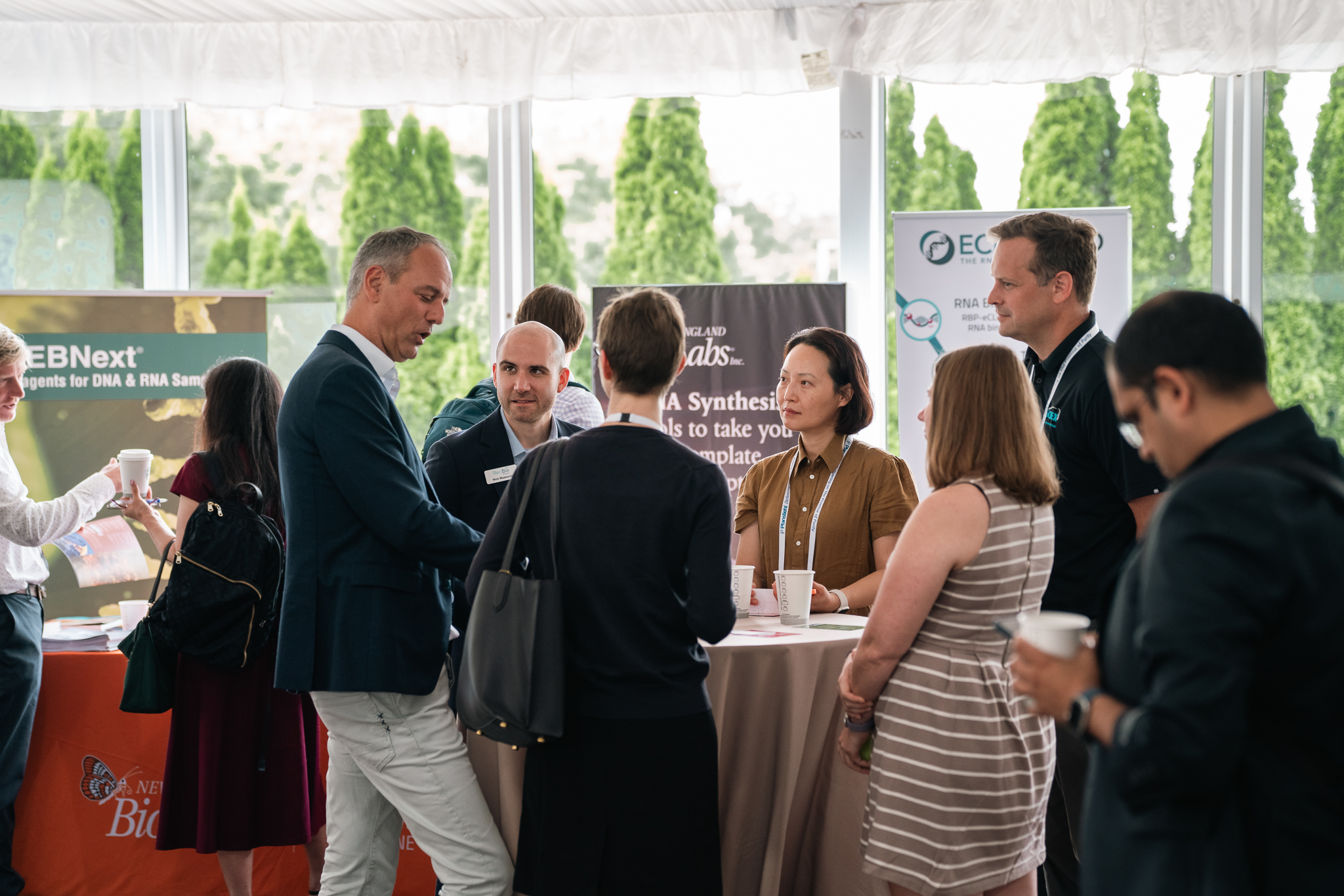
Workforce volatility is rewriting the Lab Ops playbook
The lab doesn’t slow down when headcount changes. Equipment still needs uptime, environments still need safe and compliant controls, and scientists still need reliable support. Doing more with less requires structured prioritization, cross-training, and operating models that reduce single points of failure and protect service levels. Teams also need simple triage rules: what gets fixed first, what can be paused safely, and what should be standardized to prevent repeat issues.
AI and automation are moving from interest to implementation
AI is becoming an operational expectation, but value comes only when tools fit the workflow. The key is choosing applications that reduce manual burden, improve visibility into issues, and support faster decisions without disrupting scientists. That’s why the summit leans into real-world implementation, including how teams can evaluate which processes are ready for automation and how to pilot changes without breaking what already works.
A major theme is using AI to remove repetitive operational friction. Examples include automating inventory logging, tracking equipment issues, accelerating SOP drafting, and improving vendor communication and follow-up. The program also tackles blockers most teams recognize, including siloed systems, limited budgets, and change fatigue.
Spend with intention is becoming a defining leadership skill
Vendor management has shifted from procurement to continuity. Under cost pressure, the wrong cuts often reappear as downtime, delays, or compliance risk. Strong teams treat spend as an operating system: consolidating where it reduces complexity, negotiating service levels based on true usage and risk, and aligning vendor decisions with scientific priorities while maintaining service excellence. This includes procurement strategies that surface true cost drivers, tighten service-level expectations, and reduce contract sprawl without sacrificing responsiveness.
Flexible lab and facility strategy is the new risk management
Facilities teams are being asked to support evolving research needs while space requirements and equipment demands change quickly. Adaptable lab design, smooth transitions, and infrastructure planning that supports reconfiguration are no longer optional. Flexibility reduces the operational cost of change and helps organizations adjust without compromising scientific excellence. Think multi-use layouts, shared infrastructure that scientists trust, and transition plans that keep labs operational during renovations or relocations.
Lab ops leaders must translate operational value into business value
Operational work can be invisible until something breaks, yet investment decisions are often made through a financial lens. The most effective leaders translate initiatives into outcomes leadership recognizes cost avoidance, risk reduction, productivity, and continuity. Clear framing strengthens cross-functional alignment and makes it easier to secure buy-in for improvements that keep labs running.
Join the Lab Ops and Facilities Leaders Shaping Resilient Biopharma Labs
This August, the 3rd Annual Lab Ops & Facility Management for Biopharma West Summit will convene senior Lab Ops and Facilities leaders navigating tighter budgets, greater responsibility, and rising expectations to keep R&D environments running without disruption.
You’ll hear perspectives from leaders representing organizations including Bristol Myers Squibb, Merck, Vertex Pharmaceuticals, Deep Genomics, and IQVIA Laboratories.
If you’re responsible for lab operations, facilities, automation and AI enablement, vendor strategy, or protecting lab uptime and compliance under tighter budgets, this is the place to be.
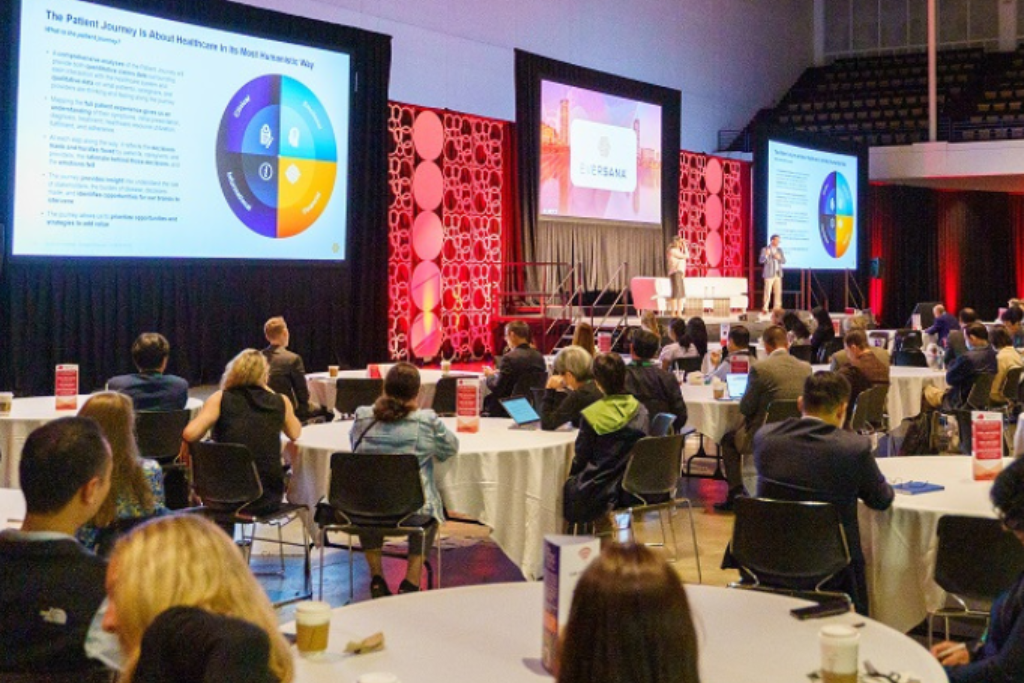
Explore the Agenda
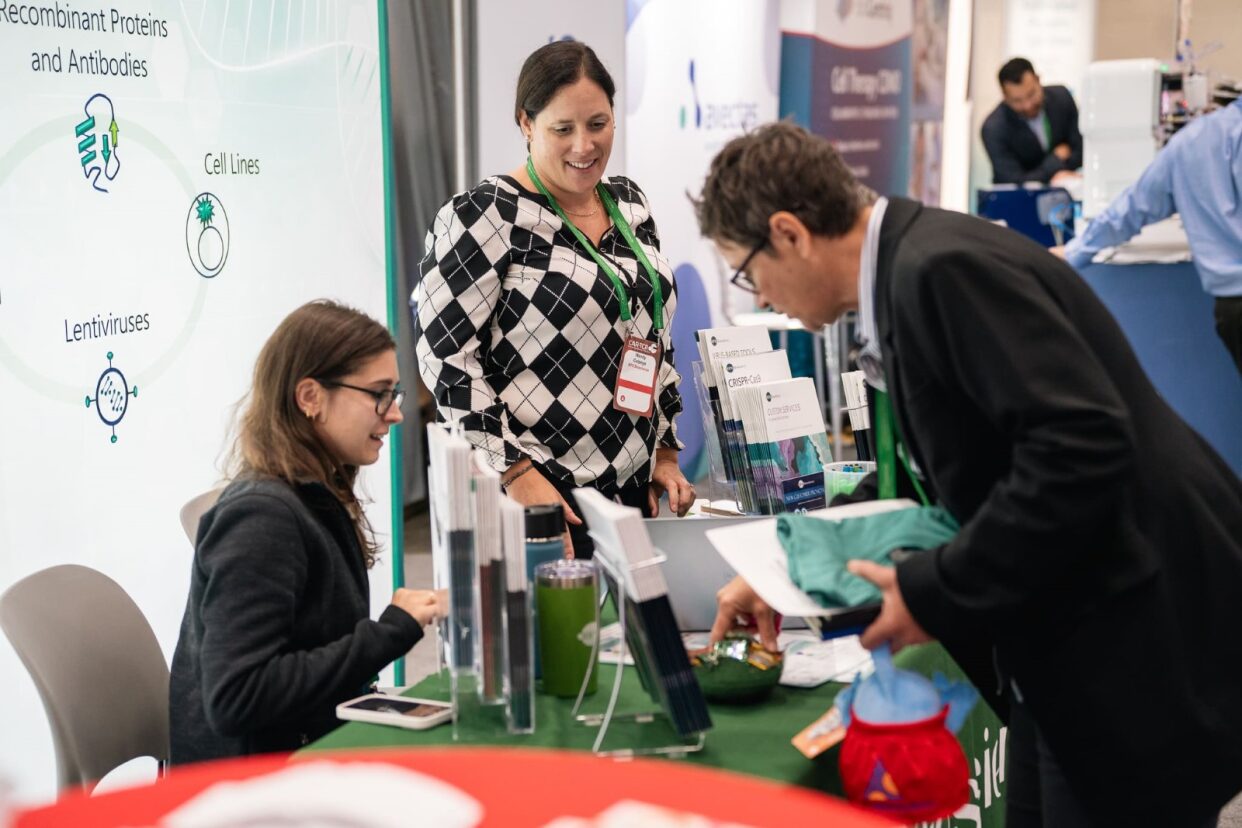
Partner With Us
Position yourself alongside other leading solution providers to be at the forefront of helping lab ops and facilities professionals achieve their operational milestones.
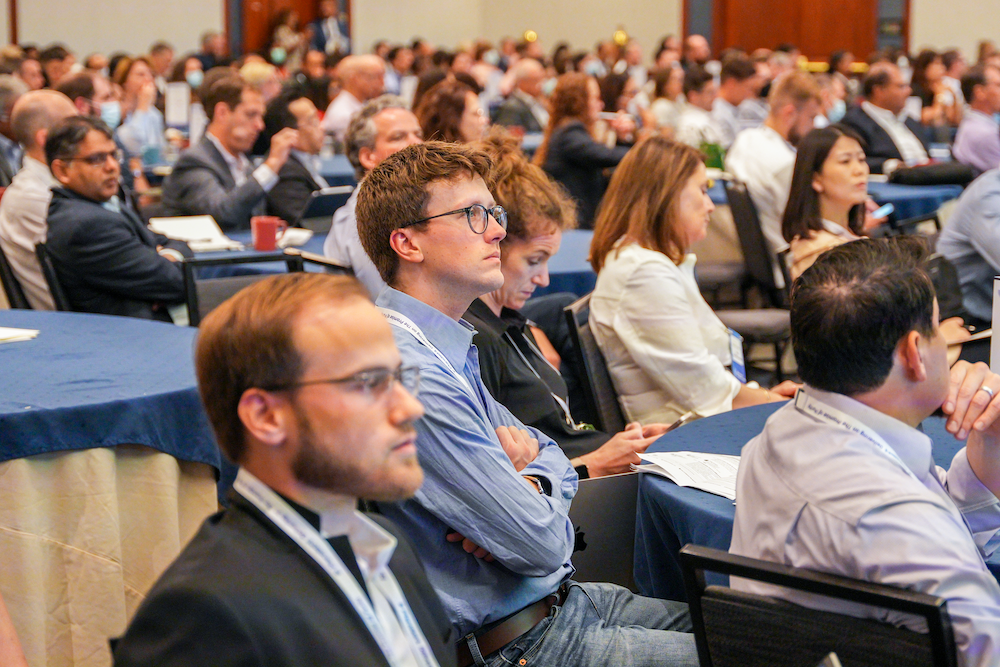
Join Biopharma Experts
Be part of the hottest conversations with like-minded lab operations and facilities professionals across biopharma, diagnostics and CROs during our dedicated networking sessions.